

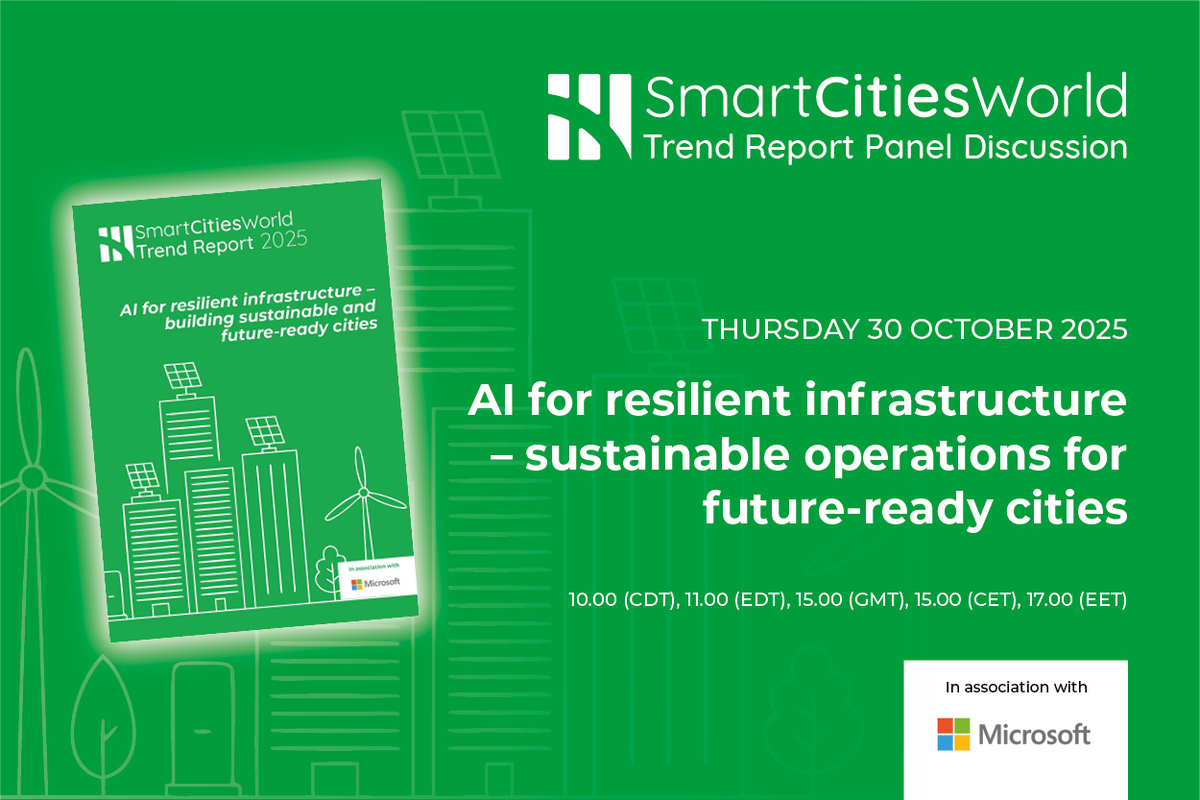
Driving Resilience Through Artificial Intelligence
In a recent trend report panel discussion, experts from across the urban technology landscape gathered to examine how artificial intelligence (AI) can fortify critical infrastructure. The session, titled “AI for Resilient Infrastructure – Sustainable Operations for Future-Ready Cities,” emphasized the growing role of smart sensors, digital twins, and data-driven strategies in creating urban systems that can withstand shocks and adapt to evolving demands.
Key Insights from the Discussion
1. Predictive Maintenance Reduces Downtime
Panelists highlighted that AI-powered analytics enable predictive maintenance of assets such as bridges, water networks, and energy grids. By analyzing sensor data in real time, cities can identify potential failures before they occur, reducing costly downtime and extending asset life. This approach is critical for building resilience against climate change and aging infrastructure.
2. Digital Twins Enable Scenario Testing
Digital twins—virtual replicas of physical systems—were cited as a transformative tool. Using AI, these models simulate various scenarios, from flooding to traffic congestion, allowing city planners to test responses without real-world consequences. This proactive planning supports both sustainability and safety.
3. Sensors Provide the Foundation
A robust sensor network was deemed essential for feeding data into AI models. Panelists noted that low-cost, low-power sensors can monitor air quality, structural health, and energy usage. The key is integrating these data streams into a unified platform that delivers actionable insights for operations teams.
4. Data Strategy as a Prerequisite
One recurring theme was the necessity of a well-defined data strategy. Without proper data governance, interoperability standards, and privacy protections, AI applications risk fragmentation and mistrust. Cities must invest in open data frameworks that allow cross-departmental and cross-sector collaboration.
Case Studies in Action
The discussion referenced real-world examples where AI has already delivered measurable benefits. In one city, an AI-based traffic management system reduced congestion by 20% while lowering emissions. In another, digital twins of a water distribution network helped cut leakage rates by 30% through automated valve adjustments.
Challenges and Path Forward
Despite the promise, hurdles remain. Panelists pointed to high initial costs, lack of skilled personnel, and legacy infrastructure as barriers. They called for public-private partnerships to share risk and accelerate deployment. Additionally, ethical considerations—such as algorithmic bias and surveillance—must be addressed through inclusive policymaking.
Conclusion
The panel concluded that AI, when combined with a solid data foundation and cross-sector collaboration, can make urban infrastructure not only more resilient but also more sustainable. As cities continue to grow, these technologies offer a pathway to safer, smarter, and more livable communities. Future-ready cities will be those that embed AI into the fabric of their infrastructure operations today.
Source: Smart Cities World News