

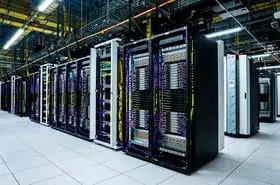
The relationship between data centers and the electrical grid is undergoing a fundamental transformation. For decades, data centers were viewed simply as large, inflexible loads that demanded a constant, high-quality power supply. This placed significant stress on local grids, requiring utilities to overbuild capacity and maintain expensive spinning reserves. However, a new paradigm is emerging—one in which data centers become active partners in grid management, contributing to stability, efficiency, and the integration of renewable energy sources.
Devin Dilley and Adam Kabulski of EPC Power, a leading provider of power conversion and energy storage solutions, are at the forefront of this shift. In recent discussions, they have outlined how data centers can leverage flexibility to benefit both their own operations and the broader grid. This article explores their insights, the technologies enabling this change, and the implications for the future of energy.
The Traditional Data Center-Grid Dynamic
Historically, data centers were designed with redundancy and uptime as the highest priorities. They typically operate with multiple uninterruptible power supplies (UPS), backup generators, and a constant power draw that is largely unresponsive to grid signals. This static nature forces utilities to treat data center loads as must-serve, requiring them to maintain generation capacity that may only be needed during rare events. The mismatch between data center demand and renewable generation—such as solar and wind—further complicates grid planning.
As data center energy consumption continues to grow—projected to reach 8–10% of global electricity by 2030—the need for a more symbiotic relationship becomes urgent. Without flexibility, the proliferation of data centers could overwhelm aging grid infrastructure, leading to higher costs, curtailment of renewable energy, and increased carbon emissions.
Flexibility as a Solution
The concept of grid-interactive efficient buildings is now being applied to data centers. Instead of being passive consumers, data centers can adjust their power usage in response to grid conditions—a practice known as demand response. This can be achieved through several mechanisms:
- Load Shifting: Temporarily reducing non-critical computing tasks during periods of high grid demand or low renewable output, then ramping up when energy is abundant and cheap.
- On-Site Generation: Using backup diesel or natural gas generators—or cleaner alternatives like fuel cells—to supply power during grid emergencies, thereby reducing demand on the grid.
- Battery Energy Storage: Deploying large-scale batteries to absorb excess renewable energy and discharge it during peak demand, smoothing out intermittent generation and providing fast-response grid services.
- Advanced Power Electronics: EPC Power specializes in high-efficiency inverters and power converters that allow seamless integration of storage and generation, enabling precise control over power flows.
Dilley and Kabulski emphasize that flexibility is not about compromising reliability. In fact, by participating in demand response or frequency regulation, data centers can generate new revenue streams while also reducing their electricity costs. For example, a data center with a 10 MW battery could earn capacity payments, energy arbitrage profits, and ancillary service revenues—potentially offsetting the capital investment within a few years.
EPC Power’s Role in the Transformation
EPC Power designs and manufactures power conversion systems that are critical for linking data centers to both the grid and on-site energy assets. Their intelligent inverters can manage bidirectional power flow, allowing data centers to both consume and inject power into the grid as needed. This technology is essential for enabling the behind-the-meter storage and generation systems that make flexibility possible.
Devin Dilley, Vice President of Sales and Marketing, brings extensive experience in the energy storage industry, having previously worked at companies like Saft and Parker Hannifin. Adam Kabulski, Director of Strategic Accounts, focuses on helping large energy users navigate the complex regulatory and technical landscape. Together, they have collaborated with data center operators to design pilot projects that demonstrate the value of flexibility.
One notable example involves a hyperscale data center in California that deployed an 8 MW battery system using EPC Power’s inverters. The system participates in the CAISO day-ahead energy market and provides frequency regulation. The data center operator reports a 15% reduction in net energy costs while maintaining 100% uptime for critical workloads. Such real-world results are helping to build the business case for broader adoption.
Grid Benefits and Sustainability
When data centers embrace flexibility, the benefits extend far beyond their own bottom line. By reducing peak demand, they help utilities avoid building new peaker plants—often the most expensive and polluting power sources. During periods of high renewable generation, data centers can increase consumption to absorb excess energy, reducing curtailment of wind and solar farms. This dynamic effectively turns data centers into virtual power plants that support a cleaner grid.
Furthermore, flexible data centers can provide essential grid stability services. Inverter-based resources from EPC Power can respond within milliseconds to frequency disturbances, making them ideal for inertial response and primary frequency control. As traditional synchronous generators retire, these fast-responding resources become increasingly valuable for maintaining grid reliability.
Challenges and the Path Forward
Despite the clear advantages, widespread adoption of data center flexibility faces several hurdles. Regulatory frameworks in many regions still treat data centers as purely passive loads, preventing them from participating in wholesale markets or receiving compensation for grid services. Interconnection standards for bidirectional power flow are also evolving, and utilities sometimes discourage behind-the-meter generation due to concerns about islanding or power quality.
Additionally, data center operators must overcome internal resistance to change. Uptime is sacrosanct, and any deviation from standard operating procedures can be perceived as risky. However, Dilley and Kabulski argue that with proper engineering and controls, flexibility can actually enhance reliability by providing an additional layer of backup power. They recommend starting with non-critical loads and gradually expanding the scope of demand response programs.
Technology is also advancing to make flexibility more accessible. EPC Power’s latest inverters incorporate artificial intelligence-based algorithms that predict grid conditions and optimize power dispatch without human intervention. These systems can learn the unique load patterns and renewable generation profiles of each data center, ensuring that flexibility is always aligned with both operational constraints and grid needs.
The economic and environmental imperatives are aligning. As more corporations commit to 24/7 carbon-free energy, data centers will need to pair their renewable power purchase agreements with flexible assets that can match consumption to clean generation in real time. EPC Power’s vision is a future where every megawatt of data center load is accompanied by a megawatt of flexible resource, whether it be storage, generation, or load reduction.
In this emerging landscape, the role of pioneers like Devin Dilley and Adam Kabulski is crucial. They are not only promoting new technologies but also advocating for policy changes that recognize the value of flexible loads. Through collaborations with utilities, regulators, and industry associations, they are helping to define the standards and best practices that will enable data centers to become cornerstone contributors to a resilient, decentralized grid.
Ultimately, the partnership between data centers and the grid is no longer a one-way street. By embracing flexibility, data centers can reduce their environmental footprint, lower energy costs, and gain a competitive advantage—all while strengthening the electrical infrastructure that society depends on. The transition will not happen overnight, but with the right tools and leadership, it is well underway.
Source: Datacenterdynamics News