

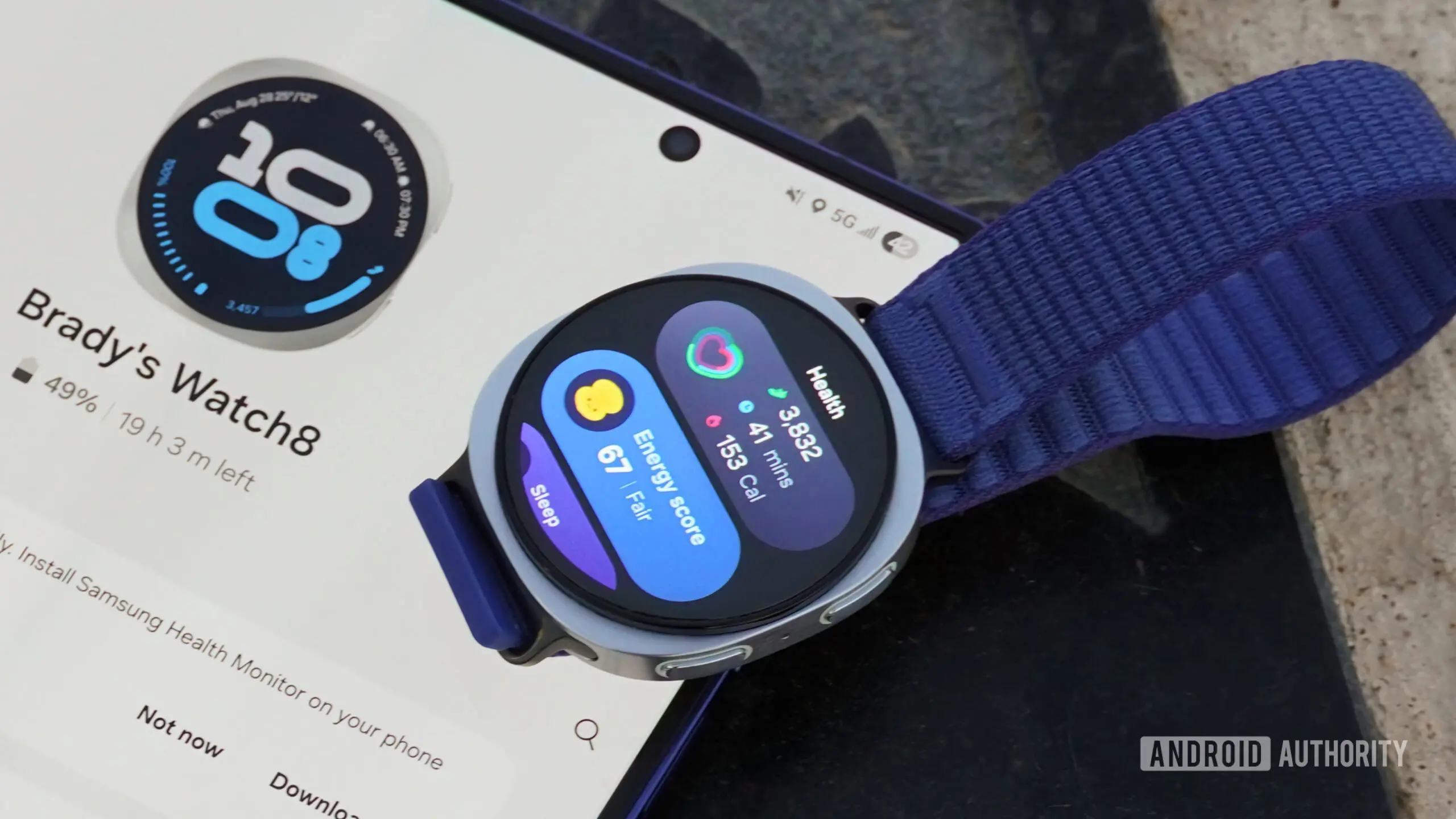
Tired of your smartwatch just throwing raw heart rate numbers and sleep scores at you without giving you any clue what to actually do with them? That age of passive tracking might soon be over. A new leak hints that Samsung is about to release the first beta for One UI 9 Watch, and it’s said to bring a massive shift from basic data collection to predictive health coaching. This update could finally make all those health metrics meaningful, transforming your Galaxy Watch from a simple data collector into an intelligent health companion that explains what your metrics actually mean and suggests actionable steps.
From passive tracking to proactive health coaching
According to tipster @TonySamsunglove on X, Samsung is preparing to roll out the One UI Watch 9.0 beta with a major emphasis on deep Galaxy AI integration. The biggest change appears to be what Samsung does with health data. Galaxy watches are already collecting a wealth of information with the BioActive sensor, such as heart rate, sleep data, body composition, and activity tracking. The issue is that much of that data is often buried in charts and graphs that many users seldom look at again. That might change with One UI 9 Watch.
The latest gossip points to Samsung working on developing AI-generated health reports and more intelligent insights that are no longer just about daily numbers. This means the software may look for patterns, predict trends, and give you more meaningful recommendations based on your habits rather than just telling you what happened. For example, instead of showing that your heart rate spiked during a meeting, the watch might explain it as a stress response and suggest a breathing exercise. Or it could analyze your sleep stages over a week and recommend adjustments to your bedtime routine to improve deep sleep duration.
What Galaxy AI could bring to health tracking
Galaxy AI is already used in Samsung’s phones for tasks like photo editing and call translation, but its integration into wearables has been limited. One UI 9 Watch could change that by using AI to interpret health data in context. The leaked features suggest that the watch will not only collect data but also learn from user behaviour over time. For instance, if your morning heart rate variability (HRV) trends downward after poor sleep, the watch might warn you about potential fatigue risks and recommend a lighter workout or a power nap.
Another area where AI could shine is in identifying correlations. The watch might detect that your resting heart rate increases on days when you skip breakfast, or that your sleep quality improves after evening walks. These insights go beyond raw numbers and help users understand the “why” behind their health metrics. Samsung could also introduce personalized wellness scores that combine multiple data points into a single, easy-to-understand index, similar to what Whoop and Oura offer.
Optimized BioActive Sensor and new metrics
The source also says Samsung is optimizing the BioActive Sensor and working on more health metrics for the next release, but details about those new measurements are not clear. The BioActive sensor is a single chip that tracks heart rate, blood oxygen, stress levels, and body composition. An optimized version might offer more accurate readings, faster sampling rates, or the ability to track new biomarkers like glucose trends or blood pressure without calibration. Samsung has been developing non-invasive glucose monitoring for years, and while it may not debut in this update, the foundations could be laid here.
Other potential new metrics include advanced sleep analysis (like sleep apnea detection), VO2 max estimates for runners, and recovery time recommendations based on workout intensity and sleep. The combination of AI and improved sensor hardware could make the Galaxy Watch a more serious competitor to specialized fitness devices.
Based on Wear OS 7 with deeper Gemini integration
The One UI 9 Watch will likely be based on Google’s Wear OS 7 platform. Wear OS 7 will get new upgrades soon, including deeper Gemini integration, battery life optimizations, live activity updates, and improved workout tracking systems. Those platform-level upgrades could provide Samsung an even bigger base for its AI features. Gemini, Google’s multimodal AI model, could enable voice commands for health insights, natural language queries like “How did I sleep last night?” and proactive suggestions based on calendar events or location.
Battery life improvements are crucial for a health-focused watch. Constant heart rate monitoring, GPS tracking, and AI processing can drain power quickly. Wear OS 7’s battery optimizations might allow the Galaxy Watch to run advanced health features without significantly reducing battery life compared to current models. Live activity updates could show real-time health warnings on the watch face, such as “Your heart rate is unusually high while resting – consider taking a break.”
Beta rollout and expected availability
In terms of availability, Samsung is reportedly planning a familiar beta strategy. If past launches are anything to go by, the first beta should be available for the Galaxy Watch 8 line in South Korea and the US before heading to other models. Samsung typically runs beta programs for a few weeks, gathers feedback, and then releases the stable update a month or two later. That means we could see a public beta for Galaxy Watch 8 as early as June 2025, with a stable rollout in late summer or early fall.
Older models like the Galaxy Watch 7, Watch 6, and even the Watch 5 may receive the One UI 9 Watch update later, though some new health features might be exclusive to the latest hardware due to sensor requirements. Samsung has a good track record of supporting previous generations for at least two major OS updates.
The bigger picture: making health data actionable
If these rumors turn out to be true, One UI 9 Watch could be Samsung’s most ambitious attempt yet at turning raw health data into actionable insights. The wearable market has long suffered from information overload – users get access to dozens of metrics but rarely know what to do with them. By leveraging AI to synthesize and explain data, Samsung could differentiate its watches from competitors like the Apple Watch, which also provides health features but has faced criticism for burying insights in the Health app.
Apple has been moving toward more proactive health features too, such as walking steadiness notifications and medication reminders. But Samsung’s approach with Galaxy AI and deeper AI engagement could set a new standard. The key will be execution: the AI must be accurate, timely, and not overly intrusive. Users don’t want a watch that constantly lectures them, but they do appreciate gentle nudges based on solid data.
Samsung also has the advantage of its larger ecosystem. Health data from a Galaxy Watch can be integrated with Samsung Health on phones, tablets, and even smart TVs. AI-generated reports could be viewed on a larger screen, complete with charts and explanations. The company could also sync data with its Galaxy Ring, offering a more comprehensive view of a user’s wellness.
Challenges and considerations
One challenge is privacy. Handling sensitive health data with AI means Samsung must ensure robust encryption, local processing where possible, and transparent data usage policies. The company has already faced scrutiny over data privacy in the past, so building trust will be essential. Google’s Gemini integration may also raise questions about how data flows between Samsung and Google servers.
Another issue is battery life. While Wear OS 7 promises optimizations, running AI models on a watch battery is still demanding. Samsung may rely on the phone’s processor for heavy AI tasks, using the watch only for basic inference. This could reduce battery drain but also limit offline capabilities.
Finally, the success of One UI 9 Watch will depend on how well Samsung communicates these new features. Many users don’t understand what “AI insights” mean in practice. Education through onboarding tutorials and sample reports will be critical to adoption.
As the wearable industry matures, the shift from passive tracking to active coaching is inevitable. Samsung appears poised to lead that change with One UI 9 Watch. For now, we await the official beta announcement and hope that the leaked features live up to the promise. If they do, your next Galaxy Watch might become the health coach you never knew you needed.
Source: Android Authority News