

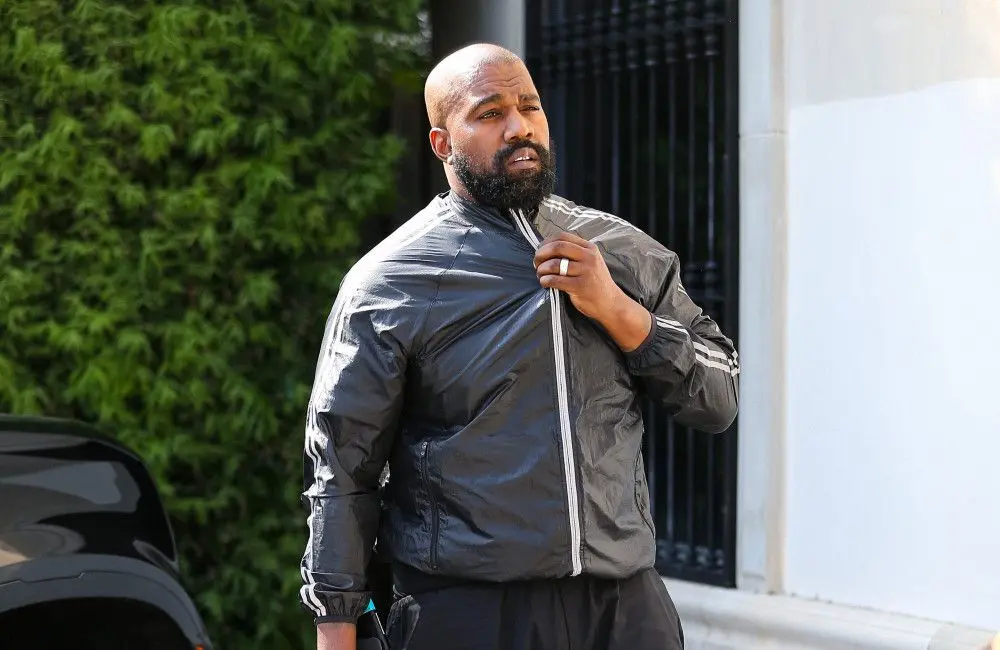
Kanye West, the controversial rapper and producer now known as Ye, is facing renewed opposition as he attempts to revive his concert tour with a major show in Texas. The mayor of San Antonio, Gina Ortiz Jones, has publicly demanded the cancellation of West's scheduled performance at the Alamodome on July 4, 2026—American Independence Day. The move is the latest in a series of setbacks for West's comeback tour, which has been dogged by cancellations across Europe following his history of antisemitic statements and public admiration for Adolf Hitler.
Mayor Ortiz Jones, a Democrat and former U.S. House representative, took to X (formerly Twitter) to express her stance. "I support the cancellation of the @kanyewest concert," she wrote. "The military city of the USA should never provide a platform—in a city-funded facility like our Alamodome—to anyone with a history of hate speech and antisemitic remarks. Especially not on July 4, the 250th birthday of our nation." She argued that standing against antisemitism is exactly what is needed to "build a more perfect union." The Alamodome is a publicly owned indoor stadium, making the city's involvement a point of contention. Local advocacy groups, including the Anti-Defamation League's Texas chapter, have also urged the venue to reconsider hosting West.
Background of the 'Bully' Tour
West announced the 'Bully' tour in early 2026 to support his album of the same name, which faced mixed critical reception but still generated significant buzz. The tour was initially set to include dates across North America, Europe, and Asia. However, from the start, it encountered fierce backlash due to West's well-documented antisemitic outbursts, which date back to 2022. In October of that year, West was widely condemned after making a series of remarks on social media and in interviews, including praise for Hitler and denial of Holocaust atrocities. He also wore a shirt with a Nazi symbol at a pop-up event, leading to a collapse in brand deals with Adidas, Gap, and Balenciaga. While West later apologized in Hebrew to a Jewish audience in Los Angeles, many in the industry and public remain skeptical of his sincerity.
The tour's European leg has been particularly troubled. Three headlining slots at the Wireless Festival in London were canceled after the UK Home Office denied West entry to the country, citing his antisemitic remarks. British Prime Minister Sir Keir Starmer defended the decision on X, stating, "This government stands firmly with the Jewish community, and we will not relent in our fight against the poison of antisemitism. We will always take the necessary steps to protect the public and uphold our values." The festival organizers subsequently removed West from the lineup entirely.
In Switzerland, a planned concert at St. Jakob-Park in Basel—home of FC Basel football club—was abandoned after the club decided it did not align with its values. A club spokesperson said, "We received a request and examined it. After careful assessment, we decided not to pursue the project as we cannot offer a platform to the person concerned within the framework of our values." This rejection came despite the financial incentive of a sold-out stadium show.
Poland also rejected West. His first concert in the country in 15 years was scheduled for June 19 at the Slaski Stadium in Chorzow. Stadion director Adam Strzyzewski announced that the concert "will not take place for formal and legal reasons." The cancellation followed sharp criticism from Polish Culture Minister Marta Cienkowska, who referenced West's antisemitic statements and his admiration for Hitler. On X, she wrote: "We are talking about an artist who has publicly expressed antisemitic views, trivialized crimes, and profited from selling T-shirts with swastikas." Additionally, a concert scheduled for June 11 in Marseille, France, was postponed indefinitely by the rapper's team, citing unforeseen circumstances.
The Texas Show: A Flashpoint
The proposed Texas concert has become a flashpoint for broader debates about free speech, public funding, and the limits of cancel culture. San Antonio is a diverse city with a large Latino and military population. The Alamodome is owned by the city and operated by the San Antonio Sports Authority. Mayor Ortiz Jones's call for cancellation is not legally binding—the venue's management has the final say—but it carries significant political weight. The mayor has also faced counter-criticism from some who argue that she is infringing on West's free speech rights, though she contends that taxpayer-funded facilities should not support hate speech.
West's legal team has not publicly responded, but sources close to the rapper suggest he is determined to proceed. The July 4 date is symbolic: it marks the 250th anniversary of the Declaration of Independence, and West has often styled himself as a maverick American figure. However, surviving court challenges or public pressure may prove difficult. Several local Jewish organizations have announced plans for a peaceful protest outside the Alamodome if the concert proceeds.
Broader Implications for the Music Industry
The controversy surrounding Kanye West's tour highlights the music industry's ongoing struggle with artists who express hateful views. While some venues and festivals have taken a firm stance, others have hesitated, perhaps fearing legal repercussions or fan backlash. The question of whether an artist can be separated from their art—or their public statements—remains contentious. West, as one of the most influential musicians of the 21st century, with multiple Grammy awards and a vast catalog of hits like "Stronger" and "Gold Digger," still commands a dedicated fanbase. Yet his recent behavior has alienated many former supporters and collaborators.
Industry analysts note that the tour's financial viability is at risk. With major cities rejecting him and the logistical challenges of moving production between countries, West may struggle to recoup costs. Insurance companies are also likely to be wary of underwriting events that could be canceled at the last minute due to political pressure. The Texas show, if it proceeds, could set a precedent for how other similarly controversial artists are treated in the future.
As of late June 2026, tickets for the San Antonio concert are still being sold on secondary markets, but at reduced prices. The Alamodome has not issued a statement. Meanwhile, West's team is reportedly exploring alternative venues in states with less political opposition, such as Florida or Tennessee. However, even there, local advocacy groups are mobilizing. The outcome of this situation will be closely watched as a test of the power of grassroots activism against celebrity influence.
The tour's European cancellations have already cost West millions in lost revenue and deposits. He has not commented publicly on the Texas controversy but posted a series of cryptic messages on social media, including a quote from the biblical book of Esther about standing up for justice. This has been interpreted by some as a reference to his own persecution narrative, while others view it as a cynical attempt to reframe the debate.
In the coming weeks, all eyes will be on San Antonio. If the city succeeds in blocking the concert, it may encourage other municipalities to take similar stands. If it fails, it could embolden artists who espouse fringe views to test boundaries. For now, the community of San Antonio is engaged in a passionate discussion about what values it wants to represent, not just on the Fourth of July, but every day.
Source: klatsch-tratsch.de News