

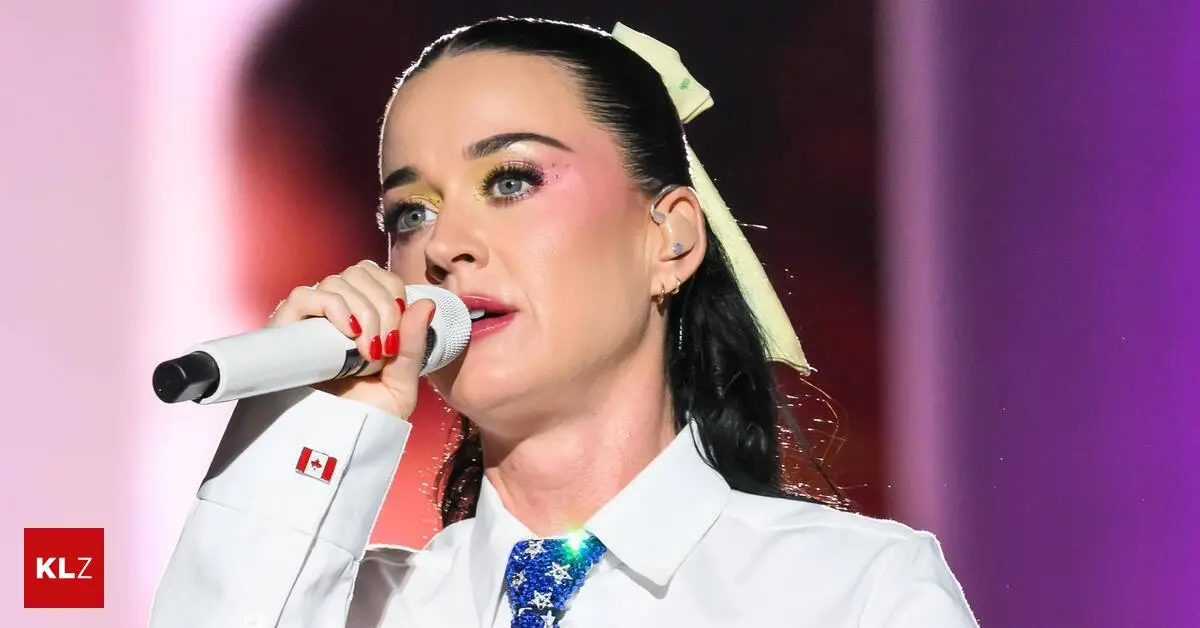
Pop superstar Katy Perry has publicly expressed fury after the White House used her hit song 'Firework' as background music for a video showcasing military airstrikes. The clip, posted on the official White House social media accounts, showed footage of precision bombings and fighter jets, set to the inspirational chorus of Perry's 2010 anthem. The singer took to Twitter to voice her displeasure, writing, 'I did not authorize this use of my music. I am deeply disturbed that my song, which is about empowerment and self-worth, was used to glorify violence.' The incident has ignited a firestorm of debate over the ethical boundaries of using pop music in political propaganda, the rights of artists to control their work, and the emotional dissonance between a feel-good track and the grim reality of war.
The Original Context of 'Firework'
Released in 2010 as part of Perry's album 'Teenage Dream', 'Firework' quickly became a global phenomenon. The song, co-written with Ester Dean and produced by StarGate and Sandy Vee, was inspired by a line in Jack Kerouac's 'On the Road' — 'The only people for me are the mad ones... who never yawn or say a commonplace thing, but burn, burn, burn like fabulous yellow roman candles exploding like spiders across the stars.' Perry has often described the track as a message to her younger self and to anyone feeling marginalized or insecure. Its core metaphor encourages listeners to 'ignite the light' within themselves and let their inner brilliance shine, despite adversity. The music video reinforced this theme, featuring a teenager struggling with bullying who eventually finds courage and self-acceptance. To date, 'Firework' has sold over 5 million copies in the United States alone and has been used in countless empowerment campaigns, suicide prevention initiatives, and Pride events worldwide. Its association with positivity and inner strength makes its repurposing for military strikes particularly jarring.
The White House Clip: What We Know
The offending video was posted on the White House's official X (formerly Twitter) account and Instagram page in early 2025. It showed a compilation of airstrikes conducted by the U.S. military against targets in the Middle East, accompanied by dramatic slow-motion explosions and aircraft silhouetted against the sky. The audio track was Perry's 'Firework' from the climactic chorus onward. The caption read: 'Protecting America and our allies. Precision strikes against terrorist infrastructure.' The post quickly garnered millions of views but also drew immediate backlash from Perry's fans, music industry figures, and legal experts. The White House did not immediately respond to requests for comment but later deleted the video after Perry's public outcry. A senior administration official, speaking on condition of anonymity, said the use of the song was an 'oversight' by a social media team member who 'grabbed a popular clip without considering copyright or the artist's intent.'
Artists vs. Politicians: A Long History of Unauthorized Use
Katy Perry is far from the first musician to object to a politician using their music without permission. This conflict has a storied history in American political life. In 1984, Bruce Springsteen famously denied President Ronald Reagan's request to use 'Born in the U.S.A.' for a campaign rally, though Reagan's team used it anyway — sparking a debate about the song's actual anti-war message being misinterpreted as jingoistic. In 2008, the band Heart sued Senator John McCain for using 'Barracuda' at rallies. In 2016, Adele rejected Donald Trump's request to use 'Rolling in the Deep.' More recently, artists like Rihanna, Queen, and Neil Young have demanded that their music not be played at Trump events. The issue is not limited to the U.S.; globally, artists have clashed with governments over the political appropriation of their work. The core legal issue is that political campaigns, as well as government agencies like the White House, often operate under music licensing agreements with organizations like BMI or ASCAP, which grant blanket licenses for public performances. However, these licenses typically do not extend to use in video productions, especially those with a specific political or promotional purpose. Moreover, even if the mechanical or performance rights are covered, the 'moral rights' of the artist to object to uses that distort or damage their work's reputation remain a gray area. In the U.S., the Lanham Act and state right-of-publicity laws provide some recourse, but enforcement can be costly and time-consuming.
The Impact of 'Firework' on Pop Culture and Its Militarization
To understand why Perry's anger resonated so widely, one must consider the deep emotional resonance of 'Firework' in contemporary culture. The song has become a staple at events celebrating individuality and resilience, from gay pride parades to high school graduations. It has been adopted by mental health organizations as a tool to combat depression and suicidal ideation. Its use in a military context — specifically one highlighting lethal force — felt, to many, like a profound betrayal of that message. Social media users quickly created side-by-side comparisons: on one hand, the uplifting music video where a depressed boy finds his inner strength; on the other, missiles raining down on a city. The cognitive dissonance was stark. Musicologist Dr. Sarah Collins of the University of Edinburgh noted in a tweet: 'The appropriation of pop anthems for military propaganda is a form of cultural violence. It strips the song of its original meaning and repurposes it to normalize state-sanctioned killing. Artists have every right to be outraged.' This incident also raises questions about how governments use popular media to shape public perception. If a White House social media team can simply grab a hit song and pair it with war footage, they are effectively piggybacking on the artist's emotional labor and fan connection. This is not just a legal issue but an ethical one: should governments be allowed to commodify an artist's personal expression for their own ends?
Katy Perry's Career and Advocacy
Katy Perry, born Katheryn Elizabeth Hudson in 1984, rose to fame with her 2008 breakthrough single 'I Kissed a Girl.' She has since become one of the best-selling music artists of all time, with over 40 million albums sold worldwide. Her music is known for its bold, colorful aesthetics and themes of self-empowerment, often with a playful or satirical edge. Beyond music, Perry has been a vocal advocate for LGBTQ+ rights, education, and mental health awareness. She served as a UNICEF Goodwill Ambassador and has donated millions to children's hospitals. Her public persona is that of a bubbly, positive force, but she has not shied away from political commentary. In 2017, she performed at the Women's March and released the single 'Swish Swish,' widely seen as a diss track to critics. The use of 'Firework' for a war video strikes a particularly raw nerve because it directly contradicts the message of hope and non-violence that Perry has tirelessly promoted. In her Twitter thread, she added: 'I have spent my career trying to spread light and love. To see my work twisted to justify conflict is heartbreaking.'
Public and Legal Reactions
The public reaction has been overwhelmingly supportive of Perry. Fans flooded the White House's social media comments with demands for an apology. Hashtags like RespectArtists and FireworkNotViolence trended briefly. Legal experts pointed out that while the White House likely has a license to publicly perform the song, the creation and distribution of a video using the recording may constitute copyright infringement. Music publishing attorney Mark Litwak explained in an interview: 'The sync license — which allows you to pair music with visual images — is a separate right from the performance or mechanical license. The White House almost certainly did not obtain a sync license for 'Firework' from Capitol Records or Kobalt Music, the rights holders. They could face a potentially costly lawsuit.' As of now, Perry has not announced legal action, but her team has reportedly sent a cease-and-desist letter. The White House has issued a brief statement apologizing for the 'unintentional use' and promising to review its social media protocols. However, no further disciplinary action has been disclosed.
Broader Implications for Artists and Government Use of Music
This incident may set a new precedent for how government agencies handle music rights. In an era where social media teams often operate with speed over caution, the line between fair use and infringement can blur. Some legal scholars argue that government use of copyrighted works for official business might fall under fair use if it is transformative or educational. However, using a pop song to accompany military propaganda is likely not considered transformative; it simply re-contextualizes the existing work without adding new meaning. The case also highlights the need for clearer guidelines. Currently, the U.S. government's own policies on copyright vary by agency. The White House's use of 'Firework' could prompt a congressional inquiry or a directive from the National Archives regarding the use of copyrighted materials in official communications. For artists, the incident serves as a reminder of the importance of registering copyrights, joining performing rights organizations, and being vigilant about unauthorized uses. Many musicians have begun incorporating clauses in their publishing contracts that specifically prohibit use in political or military contexts. While this does not always stop an administration from using the song, it strengthens the artist's case in court.
Katy Perry's anger is more than just a celebrity tantrum; it is a legitimate defense of the integrity of her art. 'Firework' was written to lift people up, not to accompany the thunder of bombs. The dissonance between the song's hopeful lyrics and the destruction displayed in the video is a stark reminder that meaning is not fixed — it can be hijacked, rebranded, and weaponized. As the debate continues, one thing is clear: the relationship between pop music and politics remains fraught, and artists will continue to fight for control over their creations. Whether this specific incident leads to new legislation, a public apology, or simply another chapter in the long history of artistic objections to political appropriation, it has already achieved one thing: it made people stop and think about the soundtracks of our collective life, and who gets to decide how they are heard.
Source: Kleine Zeitung News