

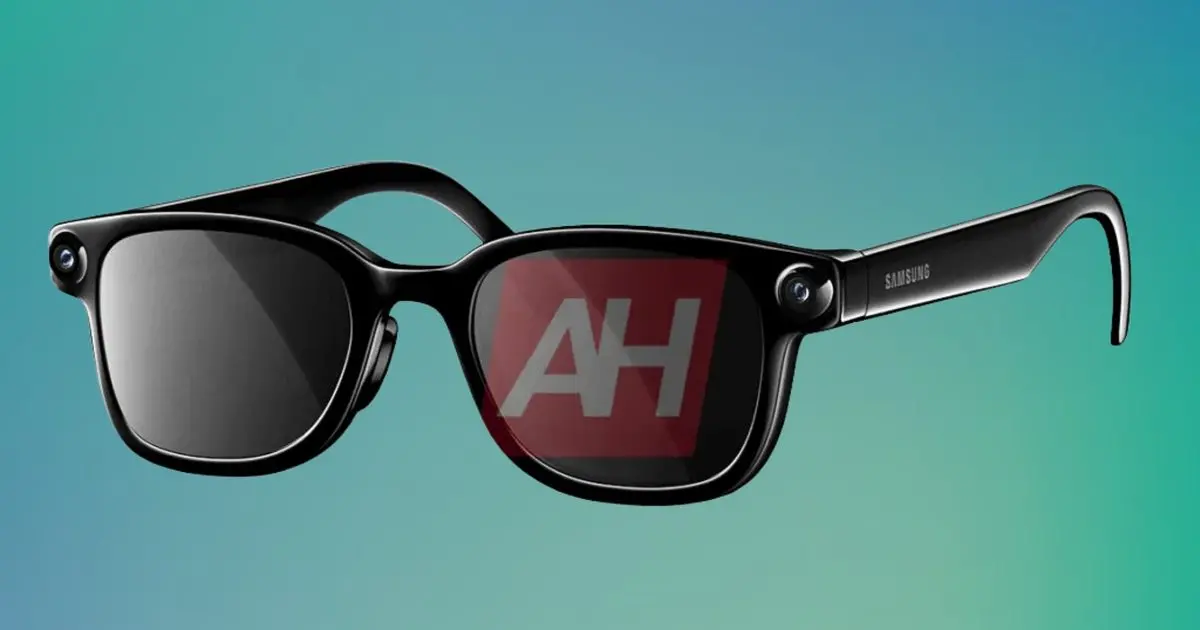
Samsung is reportedly planning to showcase its long-rumored smart glasses at the next Galaxy Unpacked event in London on July 22. According to a report from Seoul Economic Daily, the device, tentatively called Galaxy Glasses, will be unveiled alongside the Galaxy Z Fold8, Galaxy Z Flip8, and Galaxy Watch9 series. This positions the AI-powered wearable as a central piece of Samsung’s summer product lineup.
For users, the shift represents a natural evolution of how they interact with artificial intelligence. Instead of unlocking a phone or tapping an app, Galaxy AI could become something you simply wear. Voice commands, cameras, and Samsung’s vast connected-device network would handle much of the work, making AI more ambient and immediate.
How Galaxy Glasses are expected to work
Unlike full augmented reality headsets, Galaxy Glasses are not expected to include a built-in display. Instead, the wearable will rely on a combination of cameras, microphones, and speakers. This makes it a voice-first device, with Google’s Gemini AI analyzing what the wearer sees through the camera and returning answers via audio. It’s a design choice that prioritizes lightness and social acceptability over immersive visuals.
Google has already demonstrated Android XR glasses handling tasks like navigation, messaging, calendar management, photo identification, and live translation. The company has named Gentle Monster as one of its eyewear partners for Android XR devices, a move that aligns with reports that Samsung is leaning on the same brand for the design of Galaxy Glasses. This setup suggests the final product will be closer to a pair of stylish frames than a bulky headset.
Why Samsung is moving beyond phones
Samsung’s strongest advantage in the smart glasses race is its massive ecosystem. Galaxy Glasses are expected to connect seamlessly with Samsung AI phones, SmartThings, home appliances, and even future car-to-home features developed with Hyundai and Kia. The practical benefit is clear: you could look at an object, ask a question about it, and have the answer routed to your phone, trigger a smart home routine, or control a vehicle feature.
This integration only works if the connections feel instant and reliable. Samsung has invested heavily in its SmartThings platform and Galaxy ecosystem over the past decade, and smart glasses could be the ultimate wearable hub to tie it all together. But the company must ensure that the experience is frictionless — smart glasses cannot survive on demo-stage promises alone.
What to expect from the July reveal
The July event should answer the most pressing questions that Samsung has not yet addressed. Price, battery life, privacy indicators, recording controls, launch regions, and prescription support will determine whether Galaxy Glasses feel practical or gimmicky. Samsung has a software lane through Android XR and Gemini, plus a massive Galaxy audience. Now it needs to prove that the glasses are comfortable, trustworthy, and genuinely useful outside of a controlled demonstration.
Competition in the smart glasses space is intensifying. Meta’s Ray-Ban Stories and Ray-Ban Meta glasses have already shown the potential of camera-equipped frames, albeit with limited success in terms of mainstream adoption. Apple’s Vision Pro, while far more immersive, is a high-end headset that has not yet found mass-market appeal. Samsung’s approach — a lightweight, voice-driven wearable that integrates with existing devices — could strike the right balance between capability and affordability.
Another key aspect will be privacy. Smart glasses with cameras raise obvious concerns about recording people without consent. Samsung will need to implement clear visual indicators, such as an LED light when the camera is active, and perhaps even audio cues. Google’s Android XR platform includes privacy features like these, and Samsung will likely adopt them to build trust.
The design partnership with Gentle Monster is also significant. The South Korean eyewear brand is known for its fashionable frames, and a stylish design could help Galaxy Glasses avoid the stigma of being perceived as a geeky gadget. Previous attempts at smart glasses, such as Google Glass, failed partly due to their conspicuous appearance. By working with a fashion brand, Samsung is signaling that Galaxy Glasses are meant to be worn as everyday accessories.
On the software side, Gemini’s capabilities will be central. The AI model can process visual information in real time, translate languages, identify objects, and even suggest actions based on context. For example, pointing your glasses at a foreign language sign could trigger a live translation that appears in your ear through bone conduction or speakers. Looking at a product in a store could surface pricing, reviews, or a link to buy it online. These use cases, if executed well, could make smart glasses far more useful than the current generation of voice assistants on phones.
Battery life is another unknown. Small form factors limit battery capacity, and smart glasses require constant power for cameras, microphones, AI processing, and wireless connectivity. Samsung’s experience with Galaxy Watch batteries could inform efficient power management, but endurance will be a key factor in user satisfaction. If the glasses require frequent charging, they will struggle to become a daily driver.
Pricing will also be critical. Meta’s Ray-Ban glasses start at around $299, while Apple’s Vision Pro costs $3,499. Samsung likely aims for a middle ground, perhaps in the $400–$600 range, to appeal to early adopters without alienating mainstream buyers. The July reveal will shed light on Samsung’s pricing strategy and initial launch markets.
As the wearable market matures, the line between phones, watches, and glasses continues to blur. Samsung’s Galaxy Glasses, if they deliver on their promise, could be a significant step toward truly ambient computing — where technology fades into the background and assists you without demanding your constant attention. All eyes will be on London this July to see if Samsung can make that vision a reality.
Source: Digital Trends News