

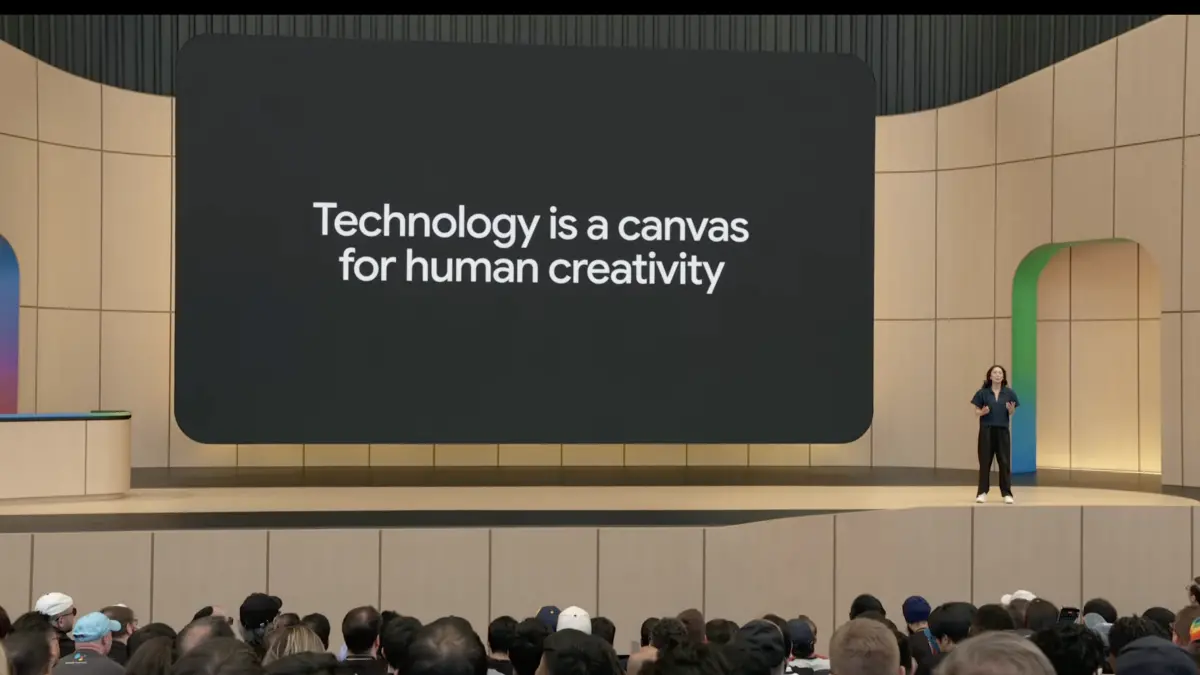
Word of the day at Google I/O 2025 was 'Tokenmaxxing'—CEO Sundar Pichai's playful nod to the sheer scale of AI processing power driving the company's latest innovations. With quadrillions of operations happening globally, Google has made a full pivot to AI, and its flagship video platform YouTube is a key beneficiary. Two major announcements at the event highlight how Google is embedding advanced AI directly into both content creation and discovery on YouTube.
YouTube Shorts Get Gemini Omni
The first announcement centers on YouTube Shorts, Google's answer to TikTok. Shorts already rely heavily on AI for recommendations and editing tools, but the new integration of Gemini Omni—Google's latest multimodal AI model—takes that to another level. Gemini Omni is described as a two-directional multimodal system capable of processing and generating content from any input to any output, including text, images, audio, and video. In practice, this means when a creator uses the Shorts Remix feature, they can now provide a complex AI prompt—such as 'turn this dance clip into a sunset beach scene with upbeat music'—and the model will generate a fully remixed short that seamlessly blends original and generated elements.
Google emphasized that any Shorts created using Omni will automatically carry an AI-generated content label and metadata linking back to the original content. This transparency measure aims to address concerns about AI misuse, ensuring viewers know when they're watching AI-enhanced material. Additionally, YouTube is expanding its likeness detection tool to all creators aged 18 and older. Originally launched for a select group, the tool helps creators identify videos where their face appears to have been altered or generated by AI, giving them more control over their digital identity.
The integration of Gemini Omni into Shorts is significant for several reasons. First, it dramatically lowers the barrier to high-quality video creation—users with minimal editing skills can produce professional-looking shorts with simple text prompts. Second, it fuels the competitive arms race against TikTok, which has also been investing heavily in AI creation tools. However, it also raises questions about copyright and originality, as remixes might blend copyrighted material with AI-generated content. Google's labeling and metadata requirements are a step toward addressing these issues, but enforcement remains a challenge.
Ask YouTube: A New Way to Search
The second update is not on YouTube itself but within Google Search. Called Ask YouTube, this feature integrates YouTube videos directly into Google's AI-powered Search results in a conversational format. When a user poses a complex or specific question—for example, 'how to teach my child to ride a bike'—Google's AI Mode will generate a tailored interactive response that includes relevant YouTube tutorials and related videos. Users can watch clips directly from the search page without navigating away, and the interface allows them to ask follow-up questions to refine results.
Ask YouTube essentially reimagines the search experience by treating video as a first-class answer format. Instead of just listing links, Google's AI understands the query's intent and pulls in the most helpful videos, often with timestamped segments. The feature is still in testing but is slated to roll out broadly across the United States later this summer. It represents a shift from keyword-based search to intent-driven, multi-modal responses—a core part of Google's AI vision.
Implications for Creators and Viewers
For YouTube creators, Ask YouTube could drive significant traffic. Videos that rank well for educational or how-to queries will gain increased visibility directly within search results, potentially boosting viewership and ad revenue. However, the feature also places more power in Google's algorithmic curation, meaning creators will need to optimize their videos not just for YouTube's search but also for Google's AI models. This could lead to new SEO strategies focused on clear, concise, and well-structured video content.
Viewers benefit from a more intuitive discovery process. Instead of sifting through multiple web pages and video thumbnails, they get a curated, conversational response that surfaces the most relevant video content. This is especially useful for procedural tasks like cooking, DIY repairs, or fitness routines, where watching a video is more effective than reading text. Early testers report that the AI does a good job of extracting key moments from long videos, saving time.
Google's AI-First Strategy
These YouTube updates are part of Google's broader strategy to embed AI into every layer of its products. Gemini Omni, unveiled earlier in the I/O keynote, is the technical backbone behind many of the day's announcements. It powers not only Shorts remixing but also features in Gmail, Docs, and Android. The model's ability to handle multiple modalities simultaneously—seeing, hearing, speaking, and generating—makes it uniquely suited for video platforms.
Google's pivot to AI has been accelerating since the introduction of Bard (now Gemini) in 2023. At I/O 2025, the company showcased dozens of updates across its ecosystem, from new AI agents for Chrome to enhanced privacy tools in Android. YouTube, with over 2.5 billion monthly active users, is a critical testbed for these technologies. The company is betting that AI-generated and AI-enhanced content will drive the next wave of engagement, even as regulators scrutinize deepfakes and misinformation.
Rollout and Availability
The Gemini Omni feature for YouTube Shorts will begin rolling out to creators in the coming weeks, initially in English-speaking markets. Google confirmed that all AI-generated shorts will be clearly labeled, and the likeness detection expansion will be available immediately to users aged 18 and older. Ask YouTube is currently in limited testing with a small group of U.S. users, and Google plans a broader launch by mid-summer. Exact dates have not been announced.
Altogether, these announcements signal Google's commitment to keeping YouTube at the forefront of AI-driven video. By integrating powerful generative models into creation tools and search, the company aims to make YouTube more intuitive for creators and viewers alike—while navigating the ethical and practical challenges that come with widespread AI use.
Source: Mashable News