

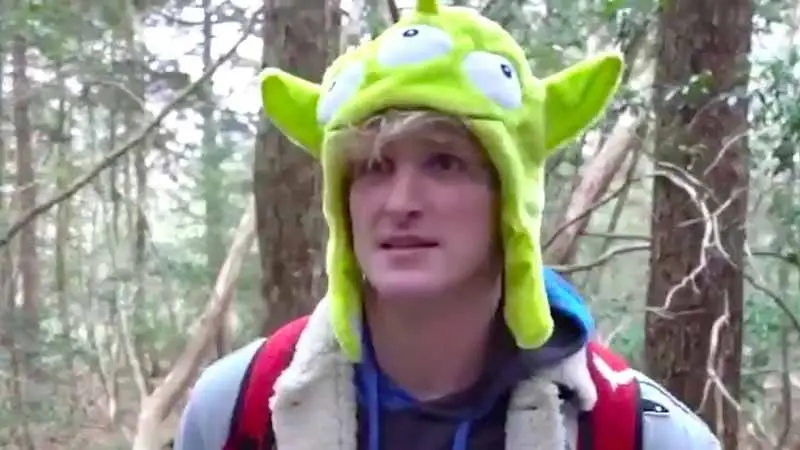
In late December 2017, one of YouTube's most prominent creators, Logan Paul, uploaded a vlog that would ignite a firestorm of controversy. The video, filmed in Japan's Aokigahara forest, a notorious site for suicides, showed the body of a man who had recently taken his own life. The footage initially featured Paul appearing somber, but quickly devolved into inappropriate laughter and promotional tactics, triggering widespread condemnation and a public relations crisis.
The Incident Unfolds
Logan Paul, then 22 years old and boasting over 15 million subscribers, traveled to Japan with his crew. Aokigahara, a dense woodland at the base of Mount Fuji, is infamous as a location where many individuals end their lives. Paul intended to explore the forest's supernatural reputation, but the group stumbled upon a suicide victim. Instead of immediately withdrawing and showing respect, Paul continued to film, zooming in on the body and making light of the situation.
In the video, Paul initially expressed shock and attempted to deliver a message about the seriousness of suicide. However, he soon put on a bright yellow hat and made jokes, reportedly laughing off a companion's discomfort. At one point, he said, "What, you've never seen a dead body before?" The vlog was monetized and included a link to his merchandise store in the description, a detail that infuriated critics who accused him of profiting from tragedy.
Immediate Backlash and Removal
Within hours of its upload, the video garnered hundreds of thousands of views and likes, but also an avalanche of negative comments. Viewers called the content disrespectful, insensitive, and exploitative. Fellow YouTube creators, viewers, and mental health advocates condemned Paul for his lack of empathy. The backlash became a trending topic on Twitter, with the hashtag LoganPaulIsOverParty gaining traction. Under mounting pressure, Paul deleted the video from his channel, but it had already been widely shared and archived.
High-profile celebrities joined the criticism. Aaron Paul (no relation), star of "Breaking Bad," tweeted that he was disgusted and called on young fans to stop supporting Logan Paul. Actor Zach Braff also expressed outrage. The incident crossed into mainstream news, with outlets such as the BBC and CNN covering the story, further amplifying the negative publicity.
Logan Paul's Apologies
On January 2, 2018, Logan Paul issued a written apology on Twitter, acknowledging that he had made a "huge mistake" and that there were no excuses for his actions. He stated, "I am ashamed of myself. I'm sorry to everyone who I offended, especially to those who have been affected by suicide." In a follow-up video apology, Paul appeared tearful and said he would take a break from posting to reflect on his behavior.
However, many critics noted that the apology seemed carefully crafted and came only after the backlash had threatened his career. Some pointed out that he continued to post on other social media platforms during the hiatus. A subsequent tweet read, "I've never faced criticism like this before. I promise to be better." The sincerity of these statements was questioned given his history of controversial stunts, including taser pranks and public provocations.
Background on Aokigahara Forest
To understand the gravity of the offense, one must grasp the cultural and emotional weight of Aokigahara. Also known as the "Sea of Trees" or "Suicide Forest," the area has been a site for suicides for decades, with hundreds of deaths recorded annually. Local authorities and volunteers patrol the forest to deter attempts and recover bodies. Signs near the entrance urge those in distress to seek help and remind visitors that life is precious. The forest is considered sacred by many, and disturbing the peace there is seen as deeply disrespectful to the deceased and their families.
Paul's vlog trivialized this solemn location. Instead of using the platform to raise awareness about suicide prevention, he turned a human tragedy into spectacular content. The inclusion of merchandise links further underscored the commercial exploitation of grief.
Ethical Considerations in YouTube Content
The incident sparked a broader debate about the ethics of content creation in the age of viral media. YouTubers often push boundaries to attract views, but where should the line be drawn? Bereavement, mental health, and death are sensitive topics that require careful handling. Many argued that Paul's actions violated basic human decency and journalistic ethics, even though he is an entertainer. The fact that his primary audience consisted of impressionable teenagers raised concerns about the values being normalized.
Some defended Paul, claiming he made a mistake and deserved a second chance. Others noted that he had previously displayed reckless behavior, such as using a stun gun on dead rats and filming a corpse during a visit to a haunted location. This pattern suggested a lack of judgment that could not be dismissed as a one-time lapse. The YouTube community grappled with the problem of its most influential figures operating without editorial oversight or ethical guidelines.
YouTube's Response and Policy Changes
The platform itself faced scrutiny for allowing the video to remain online for hours and for its initial monetization. YouTube eventually removed the video for violating its policies on harmful content and demonetized Paul's channel temporarily. However, critics argued that the response was too little, too late. The company later announced stricter rules regarding content featuring self-harm and suicide, including prohibiting graphic depictions and educational disclaimers.
Logan Paul's channel was also removed from Google Preferred, a program that places ads on premium content. These measures signaled a shift, but many observers felt that YouTube had enabled Paul's behavior by rewarding his antics with views and revenue for years. The incident accelerated discussions about platform responsibility and the need for more robust content moderation.
The Role of Social Media and Cancel Culture
The Paul case became a textbook example of "cancel culture" in the digital age. While many called for his permanent removal from YouTube, others argued that public shaming could be excessive and counterproductive. Paul's subscriber count actually increased during the controversy, suggesting that notoriety often translates into popularity. The dichotomy raised questions about whether outrage-driven accountability is effective or merely amplifies the offender's reach.
Months later, Paul returned to vlogging with more measured content, but the stain on his reputation lingered. He donated to suicide prevention charities and participated in mental health awareness campaigns, but the incident remained a defining moment of his career. For the families and friends of suicide victims, the wounds opened by the video were not easily healed.
Lessons Learned and Legacy
The Logan Paul Aokigahara video stands as a cautionary tale in the history of online media. It highlights the peril of prioritizing views over humanity, the need for digital literacy among young audiences, and the responsibility that comes with influence. Although Paul's immediate apology likely mitigated some damage, the episode permanently altered perceptions of his character.
More importantly, it brought attention to the ongoing tragedy of suicide and the importance of empathy. Many viewers and creators used the controversy as an opportunity to discuss mental health resources and to discourage stigmatization. The incident also prompted a broader discussion within the YouTube community about ethical content creation.
The consequences for Logan Paul included a temporary suspension of his YouTube channel, loss of advertising revenue, and a damaged reputation that would take years to rebuild. Nonetheless, he eventually resumed posting and continued to attract millions of subscribers, a testament to the complex dynamics of online fame. The legacy of this incident is a reminder that digital success must be balanced with compassion and respect.
Source: PlayCentral News